March 16, 2026
Choosing the right window solutions is an important decision for homeowners who want to balance comfort, energy efficiency, and protection from the elements. Climate plays a major role in determining which window options provide the greatest benefits, especially in regions that experience extreme temperatures, strong winds, or seasonal storms. Understanding how storm windows perform in different environments helps homeowners make informed decisions that support both comfort and long-term property value.
Storm windows are designed to add an extra layer of protection and insulation to existing windows, helping reduce drafts, improve energy efficiency, and enhance durability. Their effectiveness can vary depending on local weather patterns, building standards, and homeowner priorities. By exploring how these windows perform across different climates and hearing perspectives commonly shared by local homeowners, it becomes easier to determine whether they are the right choice for a particular property.
When evaluating window upgrades, homeowners often consider factors such as cost efficiency, weather protection, and maintenance requirements. Storm windows continue to be a popular option because they offer a practical way to enhance performance without requiring a full window replacement. Understanding their advantages and limitations can help homeowners feel confident in selecting a solution that aligns with their climate and lifestyle needs.
Understanding Climate Considerations for Window Performance
Climate is one of the most important factors when evaluating whether storm windows are a suitable option for a home. Regions with cold winters often benefit from the added insulation these windows provide, while areas with strong winds may value the extra layer of protection they offer. Evaluating local weather patterns helps homeowners determine how much value storm windows can add to their property.
Homeowners in moderate climates may find that storm windows improve comfort by reducing drafts and stabilizing indoor temperatures. In areas with more extreme seasonal changes, their insulating properties can contribute to improved energy efficiency throughout the year. Considering climate conditions ensures that homeowners choose window solutions that provide meaningful performance benefits.
Evaluating Energy Efficiency Benefits in Different Regions
Energy efficiency is a major consideration for homeowners looking to improve comfort while managing utility costs. Storm windows help reduce heat transfer by adding an insulating barrier that minimizes air leakage and temperature fluctuations. This added protection can make indoor spaces more comfortable during both hot and cold seasons.
In colder climates, storm windows help retain indoor heat, reducing the workload on heating systems. In warmer regions, they can help limit heat gain, contributing to more stable indoor temperatures. These energy-saving benefits make storm windows an appealing option for homeowners seeking practical improvements that support year-round comfort.
Considering Protection Against Severe Weather Conditions
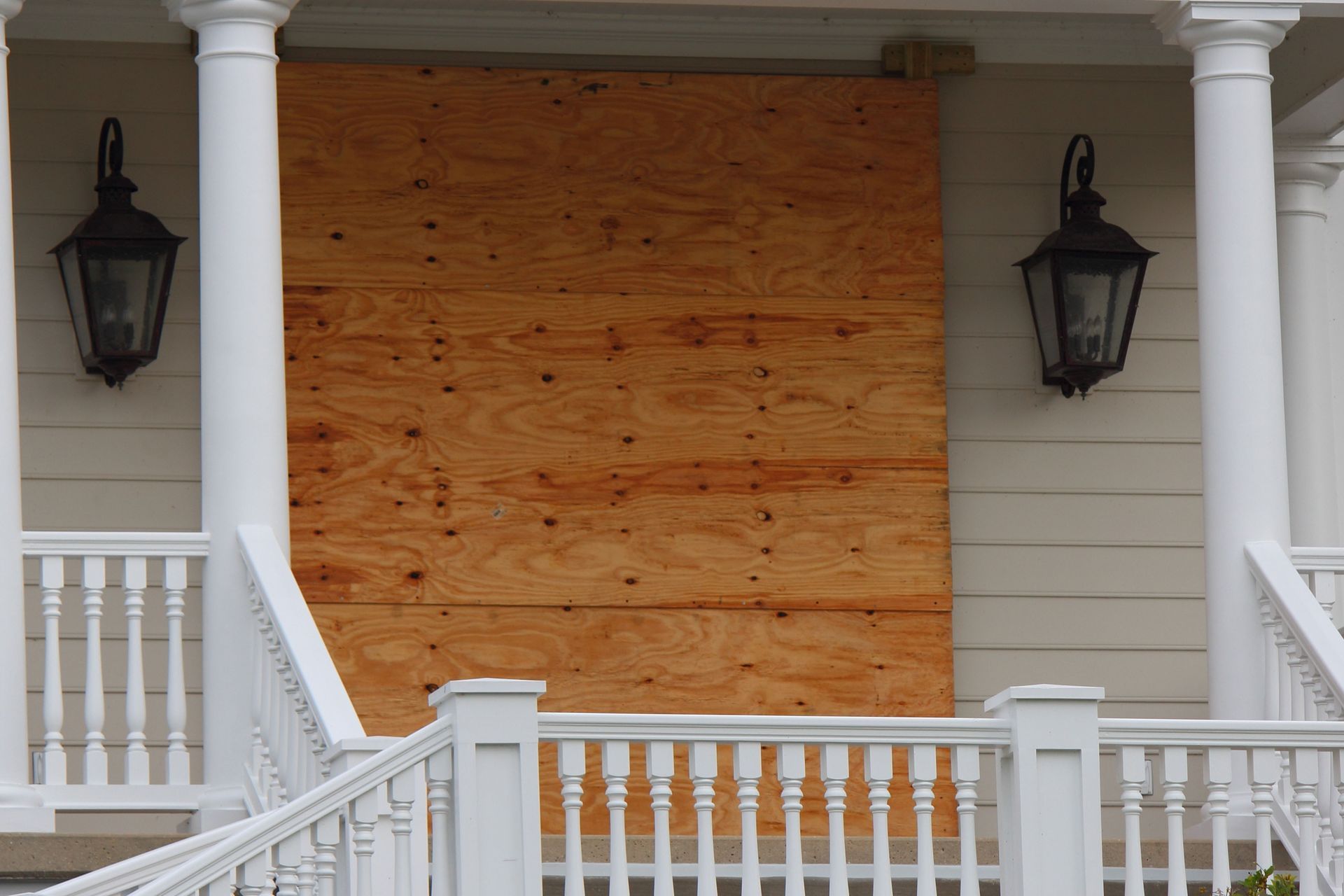
Protection from severe weather is a key reason many homeowners explore storm window options. High winds, heavy rain, and flying debris can pose risks to standard windows, making additional reinforcement a valuable consideration. Storm windows add an extra layer that can help shield primary windows from damage during intense weather events.
According to the Florida Building Code, areas experiencing wind speeds of 140 mph or greater are generally classified as wind-borne debris regions. This designation highlights the importance of protective features in areas prone to hurricanes or severe storms. Storm windows can provide an added level of resilience in regions where weather conditions present increased risks.
Comparing Comfort Improvements Throughout the Year
Comfort is a major factor in determining whether storm windows are the right choice for a home. By reducing drafts and stabilizing indoor temperatures, these windows help create a more consistent living environment. Homeowners often notice fewer cold spots near windows and improved overall comfort levels after installation.
Storm windows also help reduce outside noise, which can be especially beneficial in busy neighborhoods or urban areas. The added barrier helps create a quieter indoor atmosphere, enhancing relaxation and daily living. These comfort improvements contribute to the overall appeal of storm windows for many homeowners.
Assessing Cost Efficiency and Long-Term Value
Cost considerations often influence decisions about home upgrades, and storm windows are often viewed as a cost-effective solution compared to full window replacements. They provide many of the benefits associated with new windows while allowing homeowners to retain existing frames. This balance makes them an attractive option for improving performance without significant structural changes.
Over time, energy savings and reduced wear on heating and cooling systems can contribute to long-term value. Storm windows also help protect primary windows from weather-related damage, potentially extending their lifespan. These financial advantages make them a practical consideration for homeowners seeking efficient upgrades.
Exploring Compatibility With Existing Window Styles
Compatibility with existing architecture is an important factor when evaluating window upgrades. Storm windows are designed to work with a variety of window styles, allowing homeowners to enhance performance without altering the appearance of their home. This flexibility makes them suitable for both modern and traditional properties.
Homeowners often appreciate the ability to maintain the original character of their windows while still benefiting from improved insulation and protection. Storm windows provide a practical solution that balances aesthetics with functionality. Their adaptability contributes to their continued popularity across different housing styles.
Reviewing Maintenance and Durability Expectations
Maintenance requirements are an important consideration when choosing window solutions. Storm windows are generally designed for durability, with materials that withstand exposure to weather and environmental conditions. Properly installed units can provide reliable performance for many years with minimal upkeep.
Homeowners often find that storm windows help reduce wear on primary windows, minimizing maintenance needs over time. Durable construction ensures that they continue to perform effectively even in challenging climates. This reliability makes them a practical addition for homeowners seeking long-term performance.
Listening to Local Perspectives on Performance
Local experiences often provide valuable insight into how storm windows perform in real-world conditions. Homeowners frequently share positive feedback about improved comfort, reduced drafts, and enhanced protection during storms. These perspectives help highlight the practical benefits of adding an extra layer of insulation and durability.
Hearing from others in similar climates can help homeowners feel more confident in their decisions. Local feedback often reflects how storm windows perform over time, offering a realistic view of their advantages and potential limitations. These insights can guide homeowners toward solutions that align with their specific needs.
Weighing Overall Benefits for Your Home
Deciding whether storm windows are the right choice ultimately depends on climate conditions, homeowner priorities, and long-term goals. Their ability to improve energy efficiency, enhance comfort, and provide additional protection makes them a valuable option for many properties. Carefully considering these factors helps homeowners determine whether this upgrade aligns with their needs.
By evaluating performance benefits alongside local climate conditions, homeowners can make informed decisions that support both comfort and property value. Storm windows continue to be a practical and versatile solution for improving window performance without requiring full replacement. Understanding their role in different climates ensures that homeowners choose upgrades that provide meaningful benefits.
Working with experienced professionals ensures that homeowners receive accurate assessments and recommendations tailored to their climate and property needs. Professional evaluation helps determine whether storm windows are the most effective solution or whether alternative upgrades may provide greater benefits. This guidance supports confident decision-making and successful project outcomes.
At JVR Impact Windows & Doors, our company is committed to helping homeowners choose solutions that enhance comfort, protection, and efficiency. Our team provides expert guidance and professional installation services designed to deliver reliable performance in a variety of climates. Contact JVR Impact Windows & Doors today to learn how our company can help you determine whether
storm windows are the right choice for your home.