November 20, 2026
Preparing your windows before hurricane season is an important step in protecting your home from strong winds, flying debris, and wind-driven rain. Choosing appropriate window protection and ensuring it is professionally installed can reduce the risk of property damage and improve household safety. Homeowners in hurricane-prone regions should evaluate their existing windows, understand local building requirements, and address potential vulnerabilities before severe weather approaches.
Understanding Hurricane Window Protection
Hurricanes can place tremendous pressure on residential windows, particularly in coastal areas exposed to severe storms. According to Britannica, a tropical cyclone generates winds that exceed 74 miles per hour. In extreme cases, winds may exceed 150 miles per hour, and gusts may surpass 200 miles per hour. These conditions demonstrate why homeowners should prioritize durable windows designed to withstand severe weather.
Wind pressure and airborne debris can damage ordinary glass, window frames, and surrounding structures. When a window breaks, wind and rain can enter the home, potentially damaging interior surfaces and belongings. Professional hurricane window installation helps homeowners select products designed for the wind pressures and impact risks associated with their location.
Local building codes also influence the type of window protection a property needs. Requirements may vary according to location, building design, and exposure to coastal winds. Understanding these regulations helps homeowners select products that meet applicable safety standards and provide suitable protection through professional hurricane window installation.
Evaluating Existing Windows
Before selecting new windows, homeowners should consider the condition and construction of their current units. Cracked glass, deteriorating seals, damaged frames, and loose hardware can create vulnerabilities during severe weather. A professional assessment can identify these concerns and determine whether repairs or replacement are appropriate.
Window design also affects storm performance. Standard windows may not provide the same impact resistance as products specifically engineered for hurricane conditions. Impact-resistant models generally combine specially designed glass with framing systems intended to withstand demanding wind and debris tests.
Homeowners should also consider the number, size, and placement of their windows. Large glass openings and windows exposed to prevailing winds may require particular attention when evaluating storm protection. A qualified contractor can recommend suitable products through professional hurricane window installation based on the property's layout, local requirements, and exposure to severe weather.
Comparing Hurricane Window Options
Impact-resistant windows provide permanent protection without requiring homeowners to install separate shutters whenever a storm approaches. These products are designed to resist impacts from windborne debris while maintaining the window's essential functions. Depending on the system, laminated glass can help hold broken fragments together if the glass cracks, reducing the likelihood of dangerous shards scattering throughout the home.
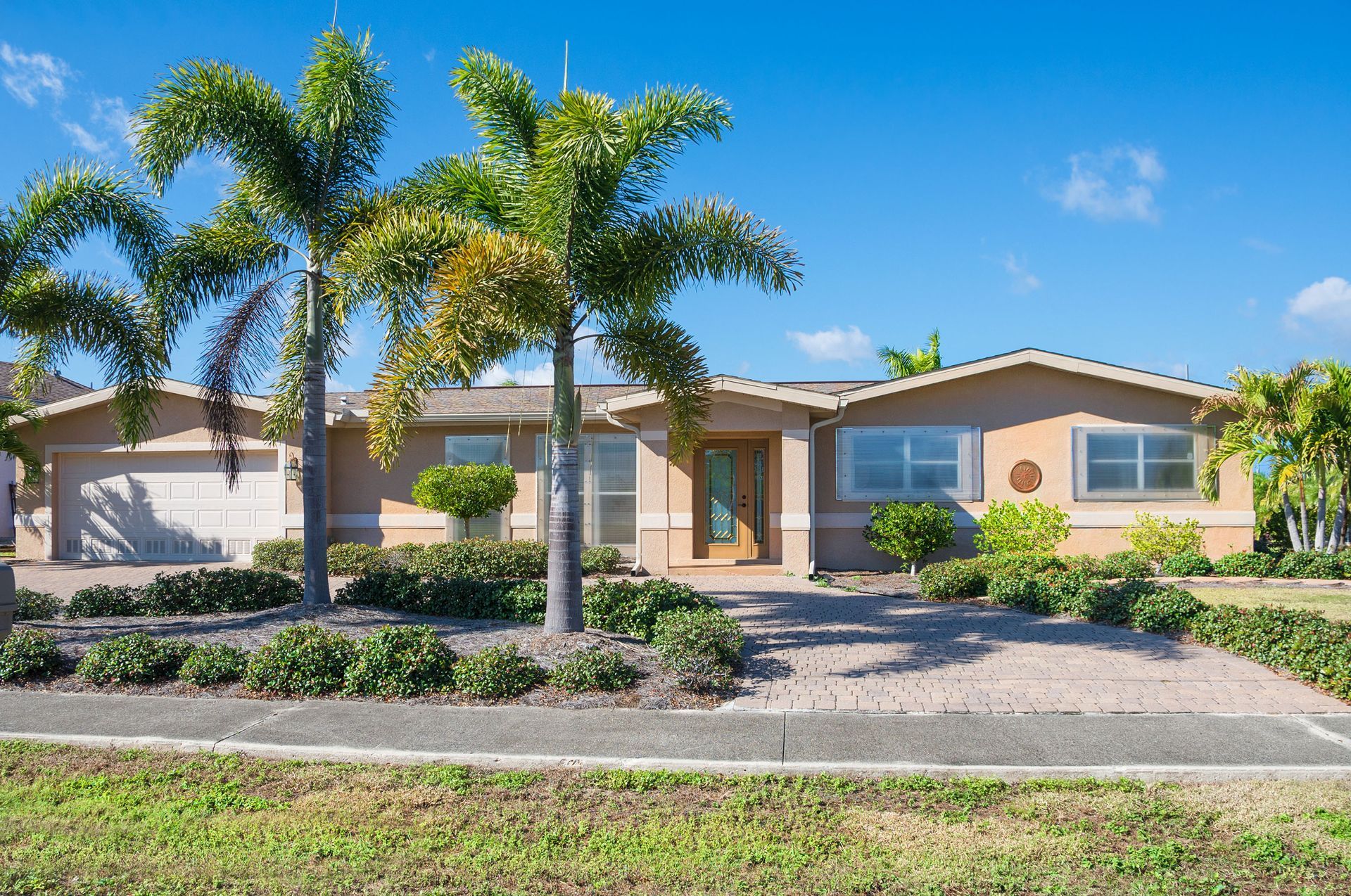
Hurricane shutters provide another option for protecting vulnerable openings. Available styles include accordion shutters, roll-down systems, and removable storm panels. Each option has different operating requirements, appearance considerations, and costs, so homeowners should compare the available systems against their property's needs.
The choice between impact-resistant windows and shutters depends on budget, convenience, building design, and local regulations. Some properties may benefit from a combination of protective measures, particularly when they contain large openings or distinctive architectural features. Professional hurricane window installation can help homeowners understand the advantages and limitations of different systems before making a decision.
Considering the Benefits of Professional Installation
Product quality is only one factor in effective storm protection. The window frame, anchoring system, surrounding wall, and installation methods all influence how the complete assembly performs under pressure. Even a product with strong impact ratings may not provide its intended protection if it is installed incorrectly or does not meet the requirements of the building.
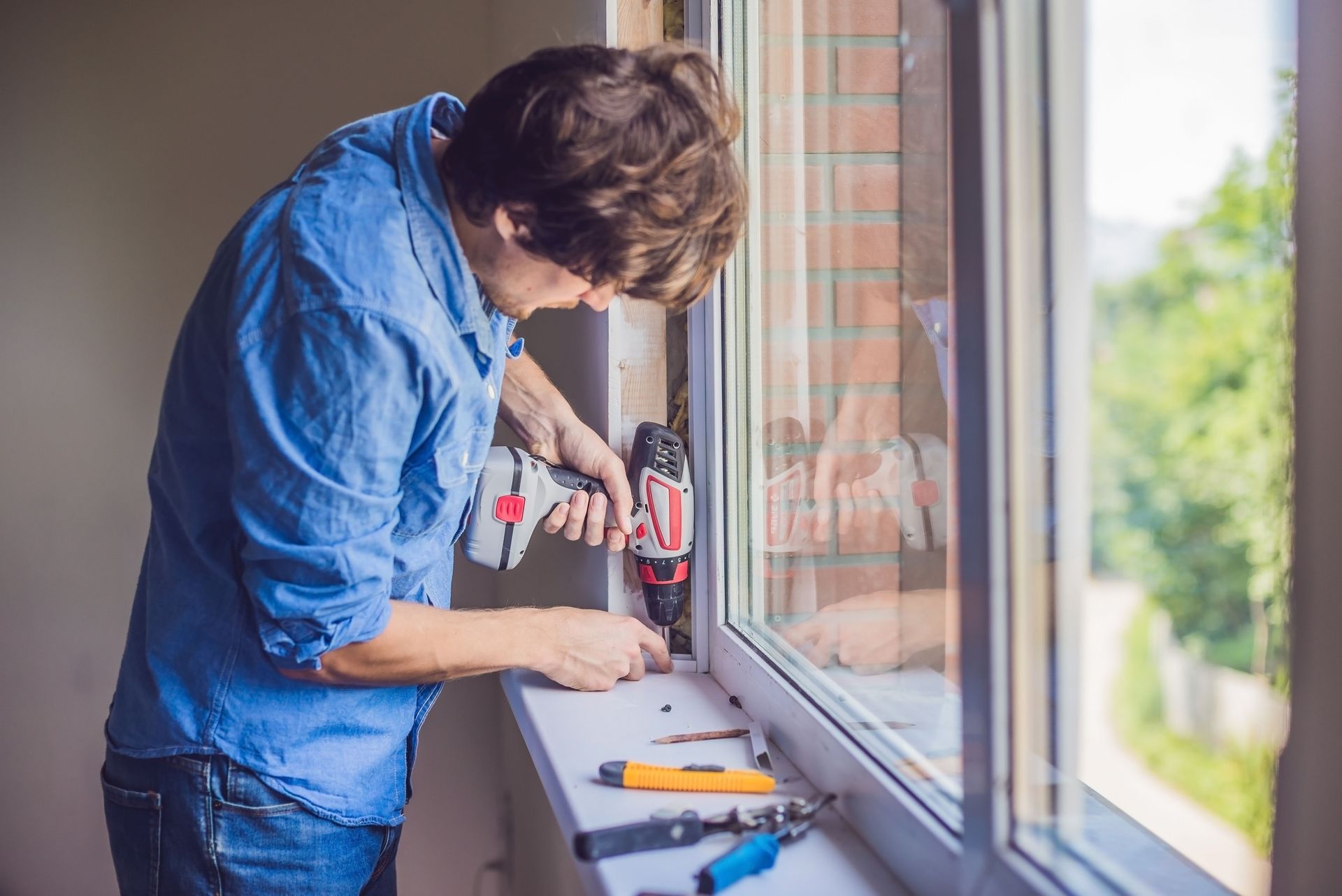
Professional hurricane window installation helps ensure that selected windows are fitted according to manufacturer specifications and applicable building codes. Contractors can evaluate opening dimensions, frame conditions, fastening requirements, and compatibility with the home's existing structure. This attention to detail supports reliable performance while helping homeowners avoid problems associated with improperly fitted products.
Professional service also simplifies the process of selecting windows with appropriate certifications and performance ratings. Contractors familiar with hurricane-resistant products can explain the differences between available options and identify systems suited to the property's exposure. Homeowners can then make informed decisions based on safety, appearance, durability, and overall cost.
Protecting Windows From Water Intrusion
Hurricane damage is not limited to broken glass. Wind-driven rain can enter through deteriorated seals, poorly fitted frames, and vulnerable connections between windows and surrounding walls. Once moisture penetrates these areas, it can damage drywall, flooring, insulation, and other interior materials.
Properly installed windows use compatible sealing components to help limit water infiltration. However, seals can deteriorate over time because of weather exposure, temperature changes, and normal aging. Periodic inspections associated with hurricane window installation and maintenance can identify damaged components and determine whether repairs or replacement are necessary before storm season begins.
Window overhangs and other architectural features may provide additional protection from ordinary rainfall, but they should not be considered substitutes for hurricane-rated products. Severe storms can drive water against building exteriors from multiple directions. A comprehensive protection strategy should account for both wind resistance and the potential for water intrusion.
Maintaining Hurricane Window Performance
Hurricane-resistant windows should receive periodic inspections to ensure they remain in suitable condition. Professionals can examine the glass, frames, locking mechanisms, seals, and surrounding construction for signs of deterioration. Addressing problems before severe weather arrives helps preserve the performance of the window system.
Coastal environments can accelerate wear because of salt exposure, humidity, and frequent storms. Materials and hardware selected for these conditions should be appropriate for the local environment. Regular maintenance can help extend product life and reduce the likelihood of unexpected issues during hurricane season.
Homeowners should also retain product documentation, including warranty information and installation records. These documents can be useful when arranging maintenance, evaluating replacement options, or confirming which protective products are installed. Keeping accurate records supports long-term planning and helps homeowners track the performance of their hurricane window installation over time.
Preparing for Severe Weather
Window protection should be part of a broader household hurricane preparedness plan. Homeowners should monitor official weather alerts, understand local evacuation instructions, and keep emergency supplies available before a storm threatens the area. Outdoor furniture, decorations, and other unsecured objects should also be addressed before dangerous winds arrive, since flying debris can damage even well-protected buildings.
Once authorities issue storm warnings, safety should take priority over last-minute property preparations. Homeowners should follow official instructions and avoid approaching windows during severe weather. Properly selected and installed protective systems can reduce risks, but no window product makes a home completely immune to hurricane damage.
Planning ahead gives homeowners more time to compare products, schedule professional services, and address concerns without the pressure of an approaching storm. Waiting until a hurricane is imminent may limit product availability and contractor scheduling options. Arranging hurricane window installation well before storm season supports a more organized approach to protecting the home and its occupants.
Choosing Professional Installation
Selecting the right contractor is an important part of improving a property's storm readiness. Homeowners should look for professionals who understand local building codes, appropriate product certifications, installation requirements, and the challenges associated with coastal weather. Clear estimates and detailed explanations of the proposed work can also help homeowners understand the scope of the project.
JVR Impact Windows & Doors can help homeowners explore window solutions designed for hurricane-prone environments. Whether a property needs replacement windows or an upgrade to impact-resistant products, professional guidance can help identify options suited to its requirements. Choosing the appropriate system and ensuring it is installed correctly can support long-term durability, comfort, and storm protection. Contact JVR Impact Windows & Doors to discuss your home's window protection needs and learn more about professional hurricane window installation. Planning your project before hurricane season provides more time to evaluate suitable products and prepare your property for severe weather.