November 23, 2026
Coastal homeowners often hear two terms when comparing replacement windows: laminated glass and insulated glass. They sound like competing options, but they describe different features. Laminated glass is designed to hold broken pieces together, while insulated glazing primarily slows heat transfer. A window can incorporate both. Understanding that distinction matters because protection from windborne debris is not established by the number of panes alone. The right choice depends on local building requirements, verified product performance, comfort preferences, and how the entire window will be installed. Clear terminology prevents a costly misunderstanding: the glass package, frame, and installation each play a distinct role.
How Laminated Glass Helps Resist Impact
Laminated glass combines two or more glass layers with a bonded interlayer, commonly made from polyvinyl butyral (PVB) or another approved material. If the glass breaks, that layer helps retain fragments and resist penetration. This matters during a storm because flying debris can strike a window while strong winds place pressure on the surrounding assembly. The interlayer helps manage those forces, but its presence does not make a product unbreakable. The goal is to help the opening remain protected even when the glass itself is damaged.
For a hurricane window, impact protection depends on the tested combination of glass, frame, glazing attachments, and hardware. Two products may both contain laminated glass yet have different ratings or approved installation conditions. Homeowners should therefore ask about the complete window system rather than assuming any laminated pane qualifies for a storm-prone location.
What Insulated Glass Is Designed to Do
Insulated glass units usually contain two or more panes separated by a sealed space filled with air or an insulating gas. That space reduces heat movement through the glazing. Some units include low-emissivity coatings that help control radiant heat, particularly useful when strong sunlight warms rooms throughout the day. Performance varies by the specific coatings, pane arrangement, frame, and installation.
An insulated unit is not automatically impact-resistant. Standard double-pane glass can improve comfort without meeting the debris-impact requirements imposed in certain coastal areas. Conversely, an approved impact-resistant window can use an insulated glass unit containing laminated glass. If a homeowner wants a hurricane window that also addresses indoor temperatures, the specifications should confirm both storm protection and thermal performance instead of treating them as interchangeable benefits.
Why the Two Features Often Work Together
The comparison is less about choosing laminated versus insulated and more about identifying the combination the property needs. A laminated glass assembly may be sufficient for some approved applications, while a laminated-insulated configuration can add thermal benefits. The correct setup depends on climate, window dimensions, frame design, local codes, and the manufacturer's tested options.
According to Global Growth Insights, the hurricane impact window market was valued at USD 1,473 million in 2023. That historical market estimate provides industry context, but sales figures do not establish whether a particular product can resist storm debris. A homeowner comparing a hurricane window should look beyond marketing categories and ask for the specific tested configuration. Product approvals, clear technical documents, and competent installation matter more than a general claim that a window is heavy-duty.
Check the Rating for the Entire Assembly
Storm performance is evaluated through recognized test methods that may include debris impacts followed by repeated pressure cycles. Standards such as ASTM E1886 and ASTM E1996 address impact testing and performance under simulated storm conditions. Certain jurisdictions use additional testing and approval pathways. The requirements for a particular house depend on its location, exposure, design pressures, and applicable building code.
Ask the installer for the product approval or evaluation report covering the proposed size and configuration. Confirm that the listed frame, glazing, and anchoring details match what will actually be installed. A hurricane window must meet the relevant approval requirements as a complete assembly; adding laminated glass to an unrated frame does not create a rated product. Even approved windows have performance limits, so avoid descriptions such as "hurricane-proof." Keep a copy of the approved specifications; it can help with permitting, inspections, and future repairs.
Understand the Role of the Interlayer
Not all laminated products use identical interlayers or glass thicknesses. PVB and ionoplast-based materials are examples used in impact glazing, with specifications selected for particular product designs. Their behavior can differ, but the appropriate choice cannot be determined from an interlayer name alone. The finished assembly has to satisfy applicable testing and installation requirements.
Manufacturers may offer multiple glass packages within the same window series. An approved configuration for one opening size may not carry identical limitations for a larger opening. When discussing a hurricane window, ask which interlayer and glass package are included in the quoted model, and whether that precise combination appears in the product documentation. This approach is more useful than assuming the thickest glass must be the safest or that a premium material automatically provides a higher rating.
Compare Comfort, Sound, and Sun Exposure
Homeowners may also value quieter rooms, reduced glare, or protection for furniture near sunny windows. Laminated glass can reduce transmission of certain outdoor sounds, depending on the glass thickness and interlayer. Insulated glazing can improve thermal comfort, and low-emissivity coatings may help limit unwanted solar heat. Neither feature produces identical results in every home. A sunny west-facing room, for instance, may call for a different solar-control package than a shaded bedroom.
Compare published performance measurements when available, rather than relying on words such as "soundproof" or "energy-saving." For thermal performance, whole-window U-factor and solar heat gain coefficient offer more useful guidance than pane count alone. If street noise is a priority, ask for acoustic ratings for the specific assembly. A hurricane window may combine several useful features, but each benefit should be supported by the product's own specifications. The best package balances what the household needs on ordinary days with its storm-related requirements.
Consider the Frame and Installation Details
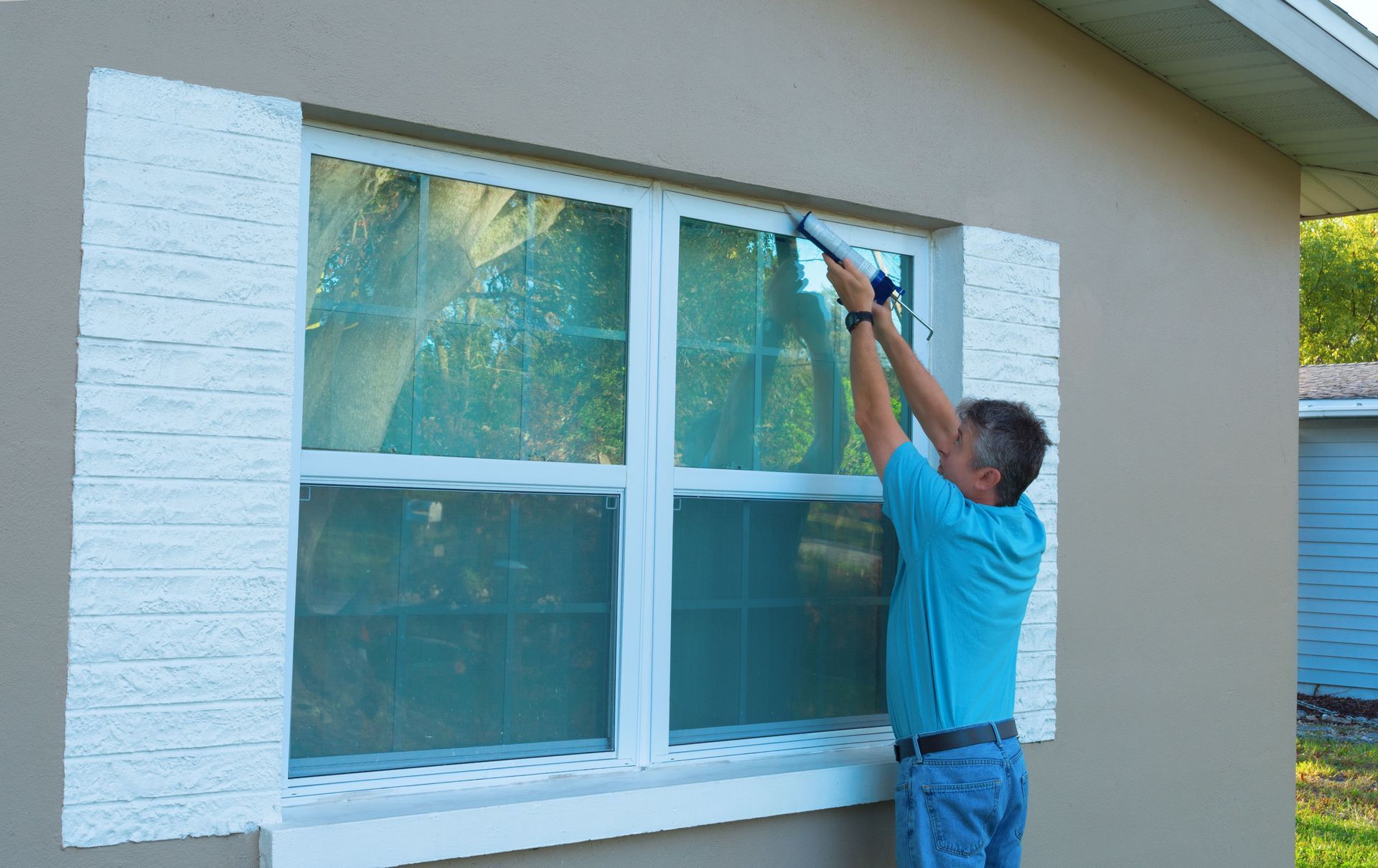
A rated glass package cannot perform as intended when installed in an unsuitable frame or attached incorrectly. Frames, fasteners, seals, and anchoring locations are part of the tested system. Installation instructions may specify particular substrate conditions, screw spacing, or reinforcement details. Existing homes can add complications when openings are irregular or surrounding material is damaged.
Before work begins, request a written description of the proposed products, permits where required, removal of old units, and repairs to compromised framing. Confirm who will handle inspections and what documentation the contractor will provide afterward. If replacing several windows, verify that each opening is covered by the relevant approval rather than assuming one specification applies everywhere. A properly selected unit still depends on careful installation and realistic expectations about what storm-rated products can withstand.
Make the Decision for Your Home
Begin with the site's code requirements and the home's exposure, then compare approved products that meet those needs. Next, consider comfort, sunlight, noise, maintenance, and appearance. Ask for written specifications that distinguish impact resistance from insulation, and review warranty terms without assuming every kind of damage is covered. Choosing by the lowest price or the highest pane count alone can obscure meaningful differences. A useful quote identifies the frame series, glass makeup, finish, and any work needed around the opening.
For guidance on matching a
hurricane window to your property and understanding available glass configurations, contact JVR Impact Windows & Doors. A clear conversation about approved products, thermal performance, and installation details can help homeowners make a confident, informed decision.